
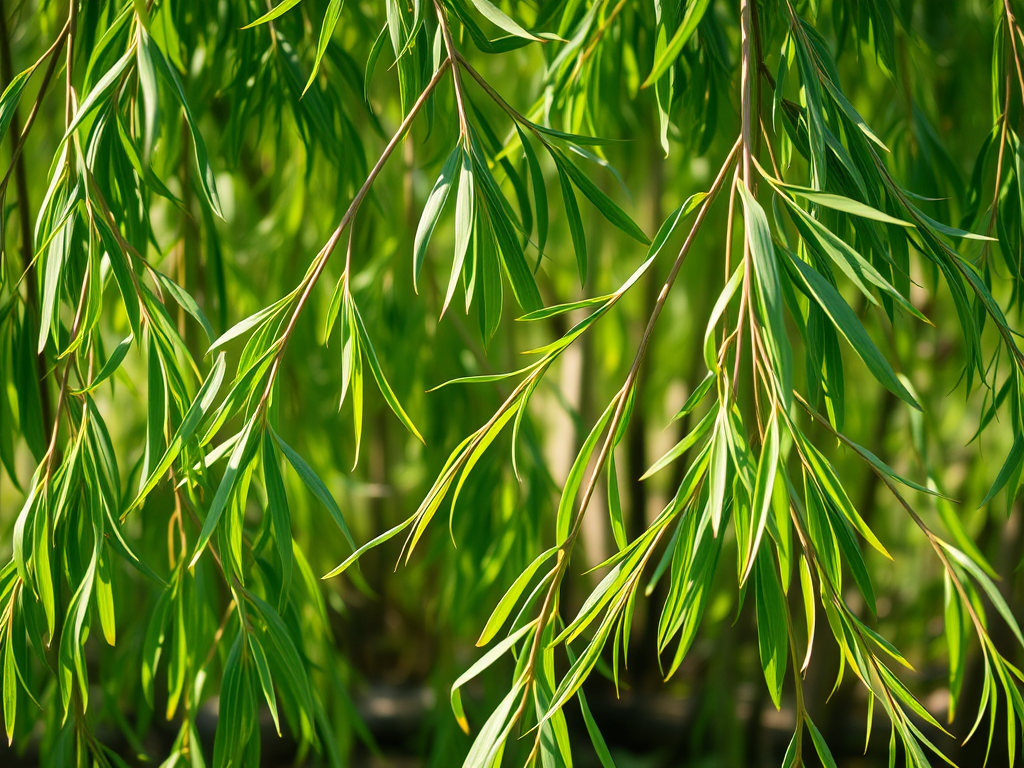
Andrew Kim constructs his giant lantern puppet frames from willow withies. I am familiar with reed structures, but this was my first experience with withies. Andrew did mention that they are more commonly used in the UK. So, I thought I would do a little research.
Willow withies are long, thin, and highly flexible willow stems used for basketry, wattle fencing, and crafts. Derived from coppiced willow trees (often osier), these pliable rods act as a natural, sustainable material for weaving or binding particularly known for their strength and ability to be woven without strapping.
- Definition & Origin: Often synonymous with osier, withies are the young, flexible shoots of Salix species. They are harvested from “withy beds” or coppiced areas where the trees are cut back to encourage long, slender growth.
- Uses: Their main use is in willow weaving, such as baskets, hurdle fencing, and, in modern times, garden sculptures. They are also used as traditional bindings (withe) in thatching and, historically, for shields.
- Preparation: Withies can be used green (fresh) or dried. To make them pliable for weaving, dried willow must be soaked for roughly 24 hours per foot of length. They can also be prepared by steaming.
- Types: Common types include green (untreated), brown (dried with bark), and buff (boiled and stripped).
- Ecological Role: Willow withies are used in environmental applications, including wastewater treatment and phytoremediation, as they can absorb contaminants like heavy metals.
 T. Jordan Christmas II Puppetry Performance & Design
Leave a comment