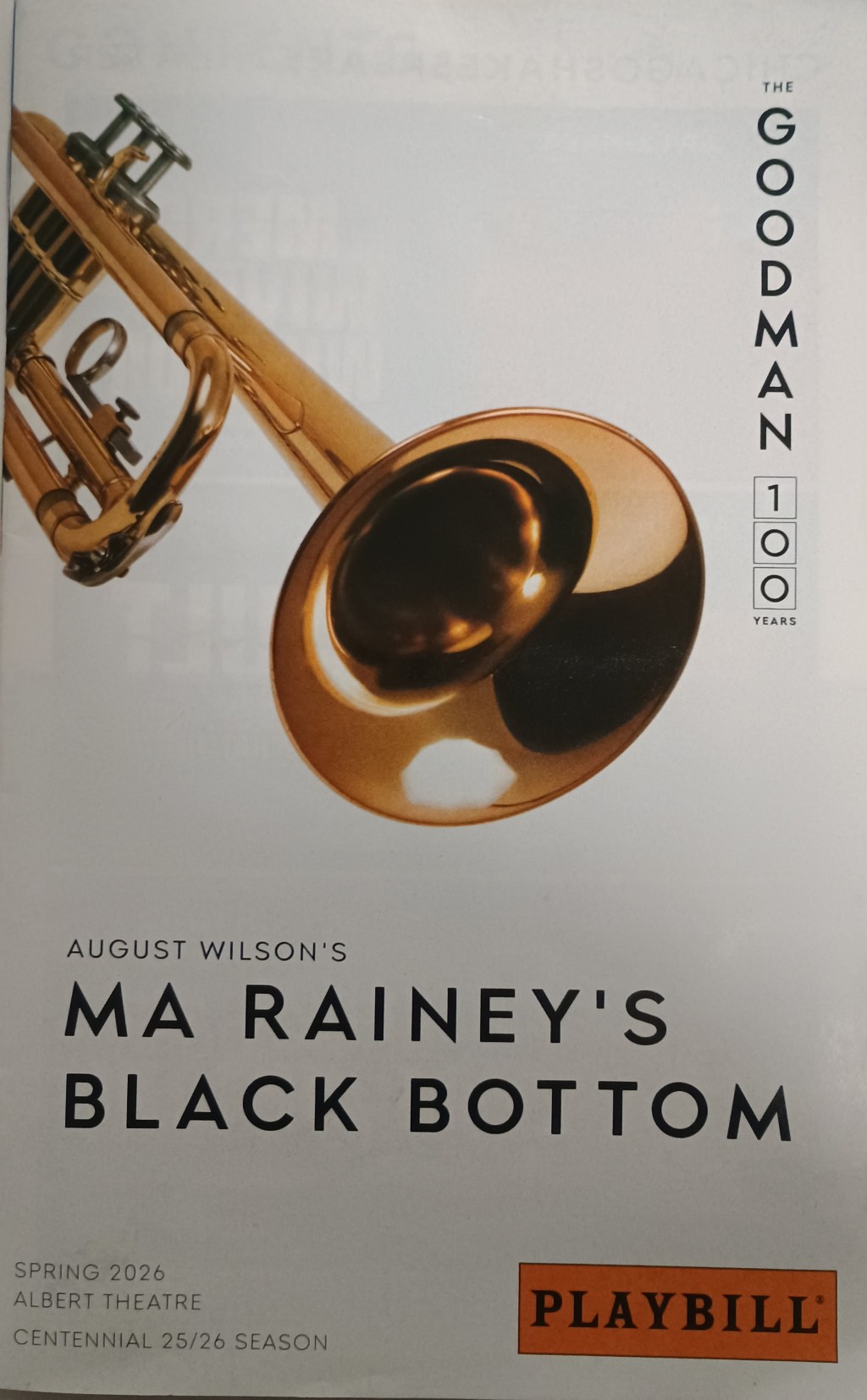
The 1920’s story of music, murder, and heartache is just as raw and powerful today as it was when August Wilson penned Ma Rainey in 1982. Unfortunately, the casual exploitation of Black talent, the dismissal of Black manhood, the unpunished crimes against Black people, and the bitter imagery of a marginalized women who must wield her gifts like a bludgeon to achieve any measure of success in a world that welcomes her unique talent, but not her inconvenient person still resonates all too well.
The score is masterful. Casting is impecable, and their synergy is electric. E. Faye Butler embodies Ma—pardon me, Madame—Rainey as deeply and as richly as she channels the spirit of civil right activist Fannie Lou Hamer. If Butler is on the stage, she is commanding the stage. What presence. What a voice. What a master of her craft! She is, in turns, playful, stern or insistent; coaxing, patient, and kind. But, however her personality may shift, she is always walking a tightrope, and always one careless step from disaster. –A fact of which she is acutely aware, but chooses to live out loud anyway for as long as she possibly can. I cannot end this post without shouting out Al’Jaleel McGhee. He is an especially poignant Levee, the talented and ambitious young Black man who has been irrevocably altered by childhood horrors and unrealized dreams.
Ma Rainey’s Black Bottom dazzles, enrages, and stuns. It also continues to reminds packed houses that the struggles of the 1920s persist in 2026.
;


Leave a Reply